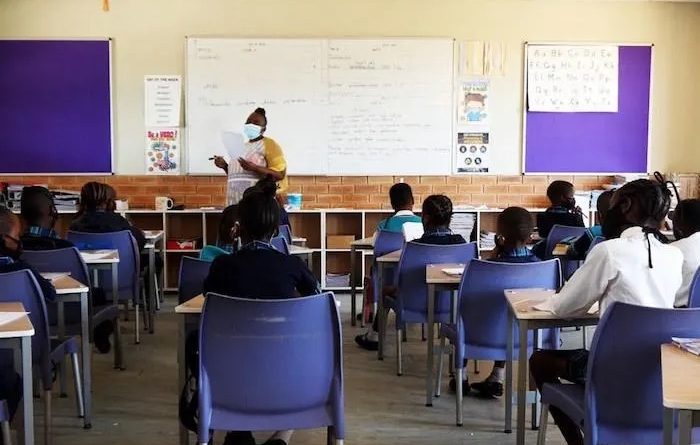
Schools Prepare Emergency Plans Following First Confirmed COVID-19 Case
Schools across KwaZulu-Natal begin reviewing emergency health plans after South Africa confirms its first COVID-19 case, with education officials urging principals to strengthen hygiene practices and prepare for possible disruptions to the academic year.
The Department of Basic Education advises schools to increase awareness campaigns among learners, teachers, and support staff. Morning assemblies now include reminders about handwashing, personal hygiene, and reporting flu-like symptoms early. Teachers are also helping learners separate facts from fear as social media spreads panic.
At schools across the South Coast, principals are holding urgent staff meetings to discuss sanitation, sick leave policies, and possible responses if cases are identified locally. Some schools begin limiting large gatherings such as assemblies and sporting events, while others focus on improving access to soap and water in bathrooms.
Parents are expressing concern, especially those with younger children who may struggle to follow strict hygiene routines. In rural schools where water shortages remain a daily challenge, many parents question how effective prevention measures can be without proper infrastructure.
School transport is another concern. Learners using crowded taxis and buses face daily close contact, making many families anxious about exposure. Some transport operators begin cleaning vehicles more frequently, although overcrowding remains difficult to avoid.
Teachers say learners are asking difficult questions about whether schools may close entirely. At this stage, officials reassure the public that schools remain open, but preparation is necessary.
For many schools, the challenge is not only protecting learners from illness, but also managing fear in a system already carrying heavy pressure.